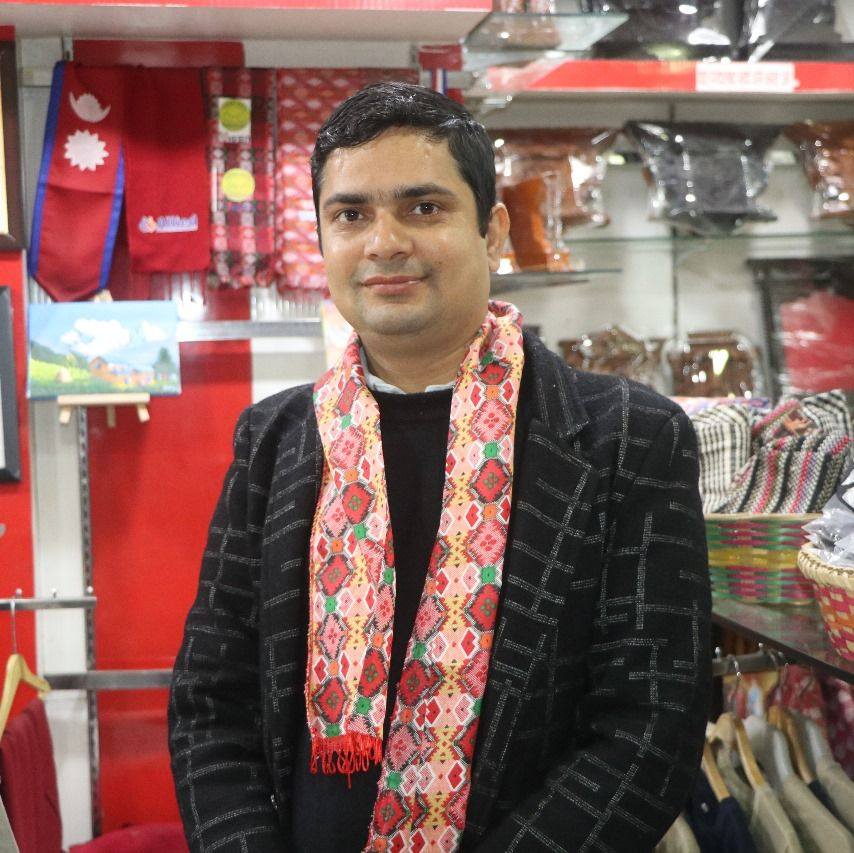
Inspired by the explorations of Drona Parajuli, Researcher at the Priide Center, this guide outlines actionable ways to elevate classrooms in Nepal. Traditional Nepali classrooms often feature rigid rows of desks, minimal decoration, and lecture-based teaching, which can stifle creativity and practical learning. By drawing on global best practices and adapting them to local contexts—like Nepal’s diverse geography, cultural heritage, and resource constraints—we can create spaces that are decorative (aesthetically inspiring), practical (functional for hands-on activities), beautiful (harmonious and motivating), and scientific (evidence-based for behavioral and action-oriented learning). This shift emphasizes student-centered dynamics, fostering critical thinking, collaboration, and real-world application.
1. Setting and Layout: Flexible and Inclusive Spaces
The foundation of a modern classroom is its physical arrangement, moving from static rows to adaptable zones that encourage movement and interaction.


- Key Ideas: Divide the room into zones—e.g., a collaboration corner with circular tables, a quiet reflection area with cushions, and a maker space for experiments. Use movable partitions or screens for privacy during group work. Incorporate natural light and ventilation to reduce fatigue and boost focus, especially in Nepal’s varied climates.
- Practical Tips: In resource-limited schools, repurpose bamboo screens or recycled wood for dividers. Arrange desks in U-shapes or clusters of 4-6 to promote discussion, aligning with behavioral science on social learning.
2. Materials: Sustainable and Multifunctional
Materials should blend beauty with utility, using locally sourced items to keep costs low while promoting environmental awareness.
- Decorative Elements: Wall murals with Nepali motifs (e.g., Himalayan landscapes or rhododendron patterns) using eco-paints or student artwork. Hang fabric banners for seasonal themes, like Dashain-inspired colors in red and gold.
- Practical and Scientific Tools: Modular shelves from recycled crates for storing lab kits (e.g., simple microscopes or solar-powered gadgets). Incorporate writable walls with chalkboard paint for brainstorming. For science, use affordable kits like DIY circuits from household wires to teach physics hands-on.
- Beauty Factor: Soft lighting from LED strips or paper lanterns; plants like pothos for air purification and a calming aesthetic.
3. Dynamics: Behavioral and Action-Oriented Interactions
Dynamics refer to how the space influences teaching and learning flows, shifting from passive listening to active participation.
- Core Principles: Integrate project-based learning (PBL) where students tackle real problems, like designing water filters for local rivers. Use timers for rotations between zones to build time management skills.
- Scientific Backing: Evidence shows flexible dynamics improve critical thinking by 20-30% through inquiry-based methods. In Nepal, this counters rote memorization by encouraging debates and peer teaching.

Inspirational Nepali classroom decoration using cultural motifs and student art for a welcoming vibe.
Examples from Developed Countries
Developed nations offer proven models that Nepal can adapt. Below is a comparison table highlighting key features:
| Country | Key Innovations | Layout/Setting | Materials/Dynamics | Impact on Learning |
|---|---|---|---|---|
| Finland | Phenomenon-based learning in open spaces; no traditional “classrooms.” | Flexible walls, multi-zone layouts with outdoor access. | Natural wood, writable surfaces; collaborative projects over lectures. | Boosts creativity and equity; students score high in PISA science. |
| Singapore | Integrated STEM hubs with tech integration. | Modular pods for group work; digital whiteboards. | Recycled tech gadgets, AI tools; action-oriented simulations. | Enhances problem-solving; top in global math/science rankings. |
| USA | Project-based makerspaces in diverse schools. | Circular seating for inclusivity; hybrid online-offline zones. | 3D printers, recycled art supplies; behavioral gamification. | Improves engagement in underserved areas; fosters innovation skills. |
These examples emphasize beauty through biophilic design (nature integration) and practicality via low-cost scalability.

A Finnish flexible classroom with open zones and natural elements, promoting collaborative science exploration.
Nepal’s Turn: Converting Traditional Classrooms
Nepal’s education system faces challenges like overcrowded rooms and limited resources, but targeted reforms can yield quick wins. Drawing from Parajuli’s focus on practical innovation, here’s a roadmap to make education meaningful and action-oriented.
- Core Ideas: Blend local culture (e.g., Thangka-inspired wall art) with scientific tools (e.g., low-cost solar experiments). Shift to activity-based teaching, where 40% of class time is hands-on.
- Steps and Process:
- Assessment (1-2 months): Survey teachers/students on current pain points (e.g., via simple forms). Identify quick fixes like rearranging desks.
- Planning (1 month): Form school committees with parents; budget using community funds (e.g., Rs. 5,000-10,000 per classroom from PTA).
- Implementation (3-6 months): Pilot in 2-3 rooms—install zones, train teachers on PBL via workshops (partner with NGOs like OLE Nepal).
- Iteration: Monthly feedback loops; scale to full school after 6 months.
- Innovation: Use mobile apps for virtual labs (e.g., free PhET simulations) and student-led “innovation fairs” showcasing local solutions like earthquake-resistant models.
- Execution: Train 80% of teachers in behavioral techniques (e.g., positive reinforcement for group work). Leverage government programs like School Sector Development Plan for funding.
- Impact: Expected outcomes include 25% rise in science scores, higher attendance (via engaging spaces), and behavioral shifts toward curiosity-driven learning. Long-term: Empowered students contributing to Nepal’s Sustainable Development Goals, like quality education (SDG 4).
By starting small and scaling culturally, Nepal can turn classrooms into vibrant hubs of discovery, honoring Parajuli’s vision for practical, impactful change. For tailored advice, connect with local education networks.