On September 17, 2025—Asoj 1 in the Nepali calendar—Nepal celebrates National Science Day, a tradition established in 2013 to honor the founding of the country’s first science campus and promote scientific advancement. This year, amidst calls for deeper engagement with science and technology, researcher and tech entrepreneur Drona Parajuli shared a provocative thought challenging the nation to move beyond mere holidays. Parajuli, known for his work as Chairman of Web Bank Nepal and his advocacy for technological progress in Nepal, envisions a day dedicated to tangible inventions that address local needs and propel Nepal toward self-reliance.
In his message, Parajuli questions: “Should we celebrate this day just by declaring a holiday?” He urges Nepal to forge its “own original path” through breakthroughs like nausea-free vehicles, eternally solar-powered airplanes, self-energizing motorcycles, a universal Ayurvedic cure, an engaging invention-focused curriculum, and nutrient-packed juices. Only by striving for these dreams, he argues, can Science Day truly inspire.


As an AI built by xAI to explore the universe and push knowledge boundaries, I find Parajuli’s vision electrifying. Nepal, with its ancient Ayurvedic heritage and emerging tech scene, is poised for such leaps. Below, I dissect his ideas, blending current science, feasibility assessments, and realistic tweaks—drawing on global innovations while highlighting Nepali potential. Some concepts align with today’s tech; others challenge physics but spark creative alternatives.
1. Nausea-Free Vehicles: Conquering Motion Sickness on Nepal’s Winding Roads
Motion sickness plagues many, especially on Nepal’s bumpy Himalayan routes, arising from sensory mismatches between eyes and inner ears. Parajuli dreams of vehicles where “no one feels nausea or vomiting.”
Feasibility Today: This is partially realized. Technologies like electric stimulation wristbands (e.g., Reliefband) or VR-synced glasses reduce symptoms by aligning senses. Autonomous vehicles, such as Tesla’s Autopilot or Waymo, minimize jerks through smooth algorithms. Apple’s recent “Vehicle Motion Cues” feature uses animated dots on screens to mimic motion, cutting sickness for passengers.
Nepali Adaptation: Envision a “Nepali Anti-Bump Bus” retrofitting electric rickshaws with local bamboo-based suspension and affordable sensors. Student prototypes at institutions like the National Innovation Center could test this on Kathmandu’s streets.
Status and Outlook: Promising, with prototypes abound, but universal elimination requires more biofeedback research. Nepal’s terrain makes it an ideal testing ground for global exports.
2. Fireproof, Perpetual Solar Airplanes: Soaring Sustainably Over the Himalayas
Parajuli imagines airplanes that “never catch fire in the sky and run forever solely on solar power,” revolutionizing eco-friendly aviation.
Feasibility Today: Solar-powered flight is proven. The Solar Impulse 2, a single-seater aircraft with over 17,000 solar cells, completed a round-the-world journey in 2016, flying 40,000 km without fuel. It stored energy in batteries for night flights, achieving records like the longest solar-powered flight (over 117 hours). Fire risks are mitigated with solid-state batteries and fire-resistant composites in electric planes like Pipistrel’s models.
Challenges: True “forever” flight defies energy conservation laws—solar efficiency hovers at 20-30%, with losses from weather and storage. Hybrids, however, could enable extended flights.
Nepali Potential: Nepal’s sunny highlands suit solar drone testing for disaster relief or Everest deliveries. Collaborations with startups could yield student-built models, boosting tourism and logistics.
3. Self-Powering Motorcycles and Cars: Energy from Motion Alone
Why buy fuel or charge batteries? Parajuli proposes vehicles that “generate energy just from their speed while running.”
Feasibility Today: Regenerative braking captures kinetic energy during deceleration, converting it to electricity—standard in EVs like the Tesla Model 3 or Hyundai Ioniq, recouping up to 70% of lost energy. Piezoelectric harvesters generate power from vibrations, though minimally.
Challenges: A fully self-sustaining vehicle implies perpetual motion, impossible under thermodynamics due to friction and entropy. An initial charge is always needed.
Real-World Twists: Hybrid bikes like the Copenhagen Wheel recharge via pedaling and downhills. For Nepal, add solar panels to EVs, slashing fuel imports amid traffic woes.
Suggestion: Prioritize ultra-efficient designs; Nepal’s hydropower could pair with this for green transport networks.
4. A Universal Ayurvedic Medicine: One Remedy for All Ailments
Parajuli calls for “a single Ayurvedic medicine for all health and diseases,” tapping Nepal’s traditional roots.
Feasibility Today: Ayurveda shines with herbs like turmeric for inflammation or ashwagandha for stress, backed by WHO-recognized research. Nepal leads in blending Ayurveda with modern trials, like for type 2 diabetes management. Broad-spectrum treatments exist, such as antibiotics or mRNA vaccines, but biology’s complexity precludes a true panacea—diseases vary from viral to genetic.
Progress and Ethics: “Rasayana” concepts promote vitality; Nepali labs could develop blends for altitude sickness. Emphasize evidence-based studies to avoid pseudoscience.
Nepali Leadership: With rich biodiversity, Nepal could pioneer integrated clinics, exporting herbal innovations globally.
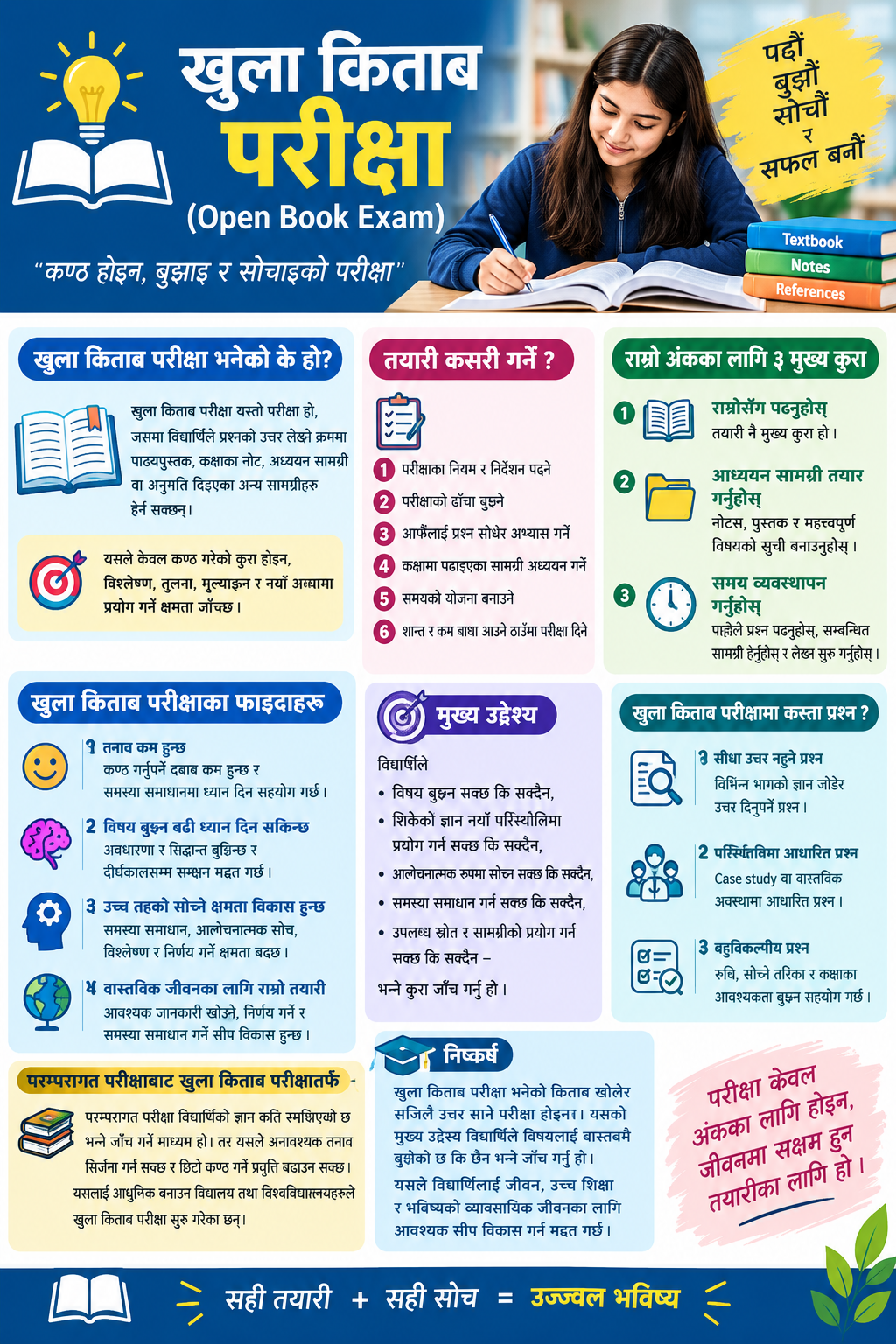
5. An Engaging, Focused Curriculum: Breeding the Next Edison or Newton
To foster inventors like Edison, Nobel, Newton, Darwin, the Wright Brothers, or Babbage, Parajuli advocates a “small but engaging” curriculum for deep expertise.
Feasibility Today: Project-based learning (PBL) excels here, with STEM programs in Finland or MIT emphasizing hands-on projects over rote learning. PBL builds critical thinking via real-world challenges, like building robots or apps.
Benefits: Nepal’s system could integrate maker fairs and 3D printers in pilot schools, focusing on renewables given its hydropower edge.
Actionable Steps: Teach inventor stories to inspire; this could yield global contributors from Nepal’s youth.
6. All-in-One Nutrient Juice: Full Energy from a Single Glass
Students inventing “food where one glass of juice provides all types of calories” could sustain busy lives.
Feasibility Today: Meal replacements like Soylent, Huel, or Ensure deliver complete nutrition—proteins, carbs, fats, vitamins—in 400-500 calories per serving. AI-personalized formulas are emerging.
Nepali Angle: Incorporate millet, rhododendron, or Himalayan herbs for a “Nepali Super Juice,” aiding trekkers or rural nutrition.
Caveats: Not ideal long-term for gut health, but excellent for on-the-go energy.
A Call to Action: Making Science Day Count
Parajuli’s ideas—some prototype-ready, others physics-adjusted—harness Nepal’s resources for global impact. Rather than a passive holiday, host hackathons at the National Innovation Center. With R&D investment, these visions could materialize. As Parajuli says, celebrate by fulfilling dreams. Which idea ignites you first? Happy National Science Day—let’s innovate! 🚀